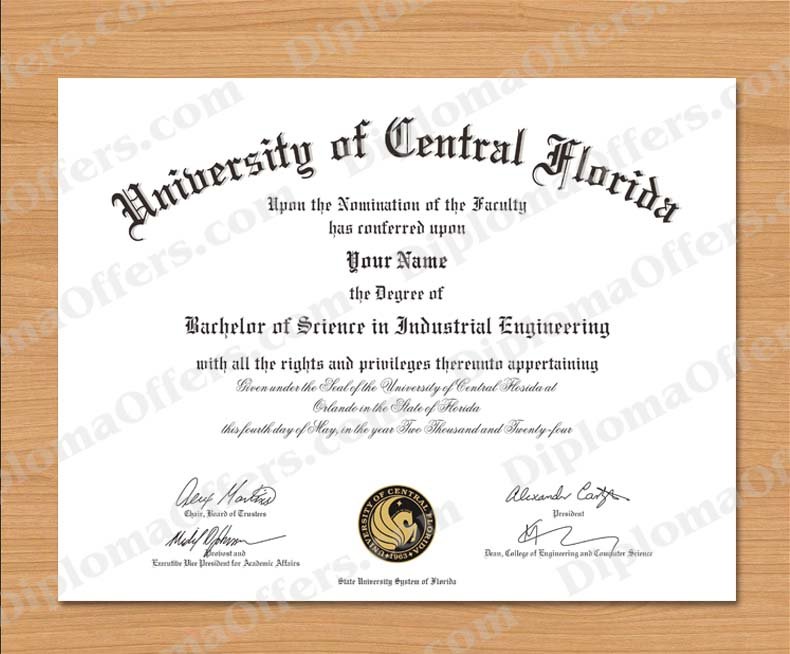
Diploma printing means printing on 100–160 gsm document stock, usually with an embossed or foil seal and a signature block. A home printer cannot do it: standard inkjets misfeed above about 160 gsm, the ink sits on the surface, and nothing about the result reads as a document.
What “diploma printing” actually involves
| Step | What happens | Why it matters |
|---|---|---|
| Stock selection | 100–160 gsm document or parchment paper | Below 100 gsm the sheet waves; above 200 gsm it cracks when folded |
| Printing | Toner or litho, matte finish | Inkjet sits on top and smears; toner bonds into the fibre |
| Seal | Embossed die, foil stamp or printed | The seal is the part people judge first |
| Trimming | Guillotine to exact size | Hand-cut edges look ragged at 300 dpi inspection |
| Proofing | A digital proof before printing | Name spelling and layout errors are cheap to fix before print |
Why home printing fails
- Paper path. Most consumer printers are rated to 160–200 gsm, and feed unreliably above that.
- Ink behaviour. Dye ink sits on the coating and marks if touched; pigment and toner bond better.
- Borderless limits. A full-bleed border needs a printer that supports borderless printing at that size, which most do not.
- No seal. The single most recognisable feature cannot be produced at home.
What to ask a printer
- What stock weight do you use, and is it acid-free?
- Is the seal embossed, foil or printed?
- Do you supply a proof before printing, and what happens if there is an error?
- What is the turnaround for a single piece, and for ten?
- How is it packed for postage — flat or rolled?
Rolled is the answer to avoid. A rolled diploma arrives with a permanent curve and a flattened seal.
Cost expectations
| Quantity | Typical range | Notes |
|---|---|---|
| Single piece | $25–$65 | Setup dominates the price |
| 5–10 pieces | $15–$40 each | Same stock, shared setup |
| 50+ | $8–$20 each | Litho becomes viable |
Common questions
Can I print a diploma at home?
You can print on 120–160 gsm paper, but the result reads as a printout: no seal, no deckle, and ink that marks if handled.
What paper is used for diplomas?
Usually 100–160 gsm document stock; cotton rag at 200–300 gsm for university and archival diplomas. More detail is in diploma paper.
How long does printing take?
A few days for a single piece including proofing, longer if the stock has to be ordered.
Related: diploma paper, diploma seals, and what a replica diploma costs.
Everything sold on this site is a novelty reproduction for display, keepsake and prop use. It is not an official record and cannot be used to verify a qualification.
Want to see the paper before you order?
We post a sample pack — US letter, A4 or a large format. Tell us the size and the wording, and we will get it out.
Request a sample