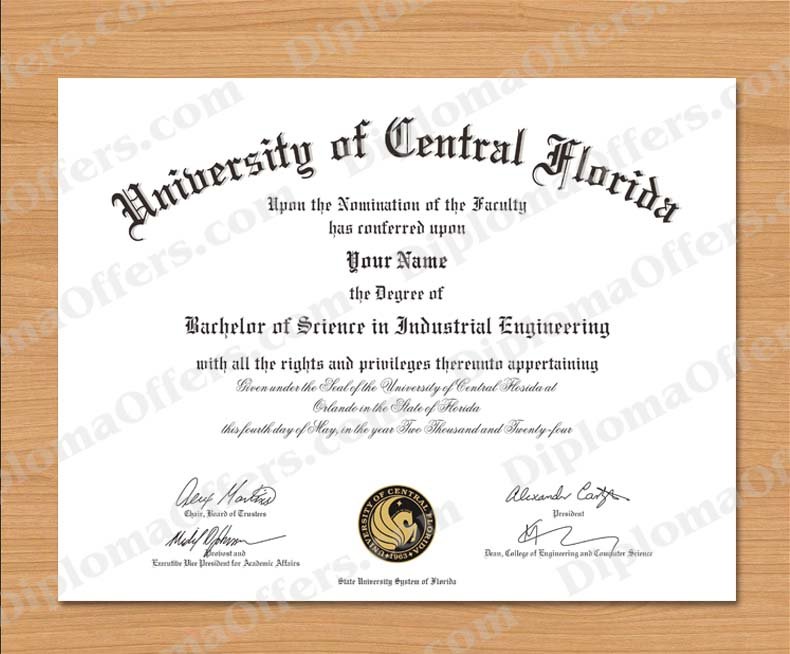
Most diplomas are printed on 100–160 gsm document paper, sometimes called diploma stock or parchment. Better ones use cotton rag or security paper with a watermark. The weight matters more than the name: below 100 gsm the sheet buckles in a frame, and above 200 gsm it becomes card and cracks when folded.
What diplomas are printed on
| Paper | Weight | Feel | Common use |
|---|---|---|---|
| Standard document paper | 100–120 gsm | Smooth, slightly stiff | School and college diplomas |
| Parchment-look | 120–160 gsm | Mottled, warm tone | Ceremonial and older-style diplomas |
| Cotton rag | 200–300 gsm | Soft, textured, no grain direction | University and archival diplomas |
| Security paper | 90–120 gsm | Smooth with a watermark and fibres | Certificates with anti-copy features |
| Card stock | 250+ gsm | Rigid, board-like | Novelty and display pieces |
Why the weight matters
A diploma lighter than about 100 gsm will show waves under glass, especially in a frame with a large opening. It also creases along the same line every time it is handled.
A diploma heavier than about 200 gsm stops behaving like paper: it will not fold, and a fold leaves a permanent crack in the coating. That is fine for a display piece, less so for one that will be posted.
How to tell what you have
- Hold it up to light. A watermark or fine fibres mean security paper.
- Look at the edge. Cotton rag has a soft, slightly fuzzy edge when torn; standard stock tears cleanly.
- Press a corner. A hard crease at 250 gsm and above means card stock.
- Check the surface. A mottled, uneven tone is a parchment finish, not ageing.
Does paper type change how it should be framed
Yes, in one way: heavier paper needs a deeper frame. A 300 gsm sheet plus a mat plus a backing board will not fit a shallow moulding, and the glass ends up pressing on the document. Ask for the frame depth, not just the opening.
Heavier stock also shows the mat edge more clearly, which is usually a good thing — the thickness reads as quality.
Common questions
What weight is a real diploma?
Usually 100–160 gsm for schools and colleges, and up to 300 gsm for university or archival diplomas.
Is diploma paper the same as parchment?
Parchment is a finish rather than a fibre. Modern parchment-look paper is wood pulp with a mottled surface; true parchment is animal skin and almost never used now.
Can you print a diploma at home?
You can print on 120–160 gsm stock, but home printers handle heavy paper badly and the result is visibly a printout.
Related: diploma size, diploma seals, and how to store a diploma.
Everything sold on this site is a novelty reproduction for display, keepsake and prop use. It is not an official record and cannot be used to verify a qualification.
Want to see the paper before you order?
We post a sample pack — US letter, A4 or a large format. Tell us the size and the wording, and we will get it out.
Request a sample