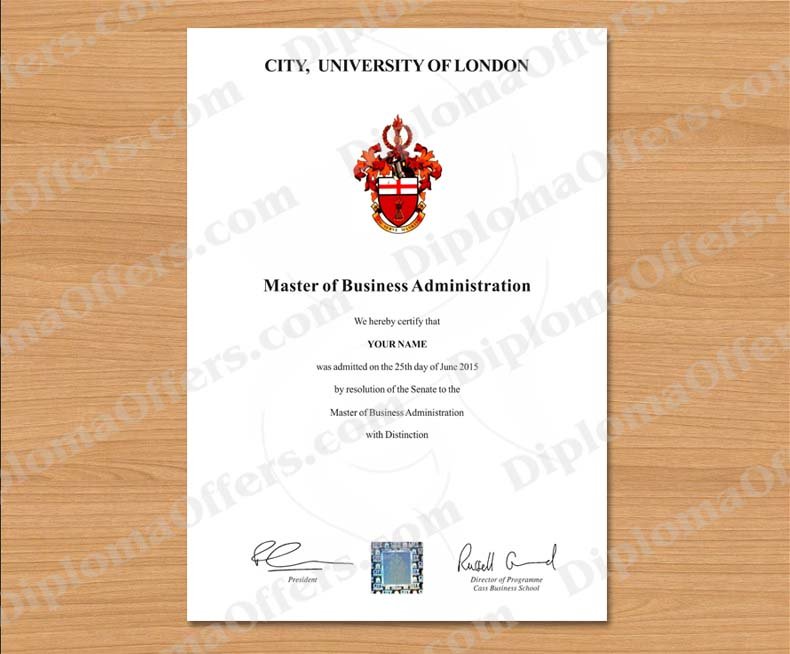
This category attracts sellers who take payment and ship nothing, or ship something that looks nothing like the photos. The signals are consistent, and most of them are visible before you pay.
Red flags
1. Claims that the document is “verifiable” or “registrar-approved”
This is the single clearest warning sign. A reproduction cannot be verified by anyone. A seller who claims otherwise is either misleading you or does not understand what they are selling — and either way, the document you receive will not do what they promised.
2. No disclaimer anywhere
A legitimate seller in this category says plainly that the document is a novelty reproduction. If the entire site reads as though the documents are official, that is a business built on a false premise, and you are the one exposed if it is used as proof.
3. Only stock photos, no real product images
Look for photographs of an actual printed document on a surface, with lighting and texture. Pure renders or reused images mean the seller may not have produced one yet.
4. No size information
Every real seller knows whether the document is letter or A4, because that is the first question customers ask. Silence on sizing suggests a template site.
5. No physical address, no phone, no policy pages
Check for a returns or refund policy, a shipping page and a contact method that is not just a form. A site with none of these has not thought about what happens after the sale.
6. Prices far below everyone else
Printing, proofing and shipping cost money. A price that is half the market is either a different product (a digital file described as printed) or a payment-first operation.
Green flags
- A clear statement of what the document is and is not — usually on the product page, not buried in the footer.
- A free proof before printing. This is the single strongest sign of a real production process.
- Paper samples on request. Sellers who stock real paper are usually willing to post a sample.
- Specific measurements and paper weights on the product page.
- A refund policy that distinguishes faults from change of mind.
- Answering a direct question honestly — including “no” when the answer is no.
Questions to ask before paying
- What size is the document, and what paper weight?
- Can I see a proof before it prints?
- What happens if it arrives damaged?
- Is this an official record? (The correct answer is no.)
- Where do you ship from, and how long does it take?
A seller who answers all five clearly is worth considering. One who dodges question four is not.
Payment safety
- Pay by card or a method with chargeback protection. Avoid bank transfer and crypto with unknown sellers.
- Check that the checkout page is on the seller’s own domain and uses HTTPS.
- Keep the order confirmation email — it is your evidence if you need to dispute.
What to do if you have already been burned
- Open a chargeback with your card issuer. Do it inside the dispute window, usually 60–120 days.
- Report the site to the platform that referred you, if any.
- Leave a factual review — dates, what was promised, what arrived.
How to judge the whole category honestly
Most sellers in this space are straightforward: they make a display reproduction, they say so, and the product matches the description. The ones to avoid are those selling an illusion — that the document is official, that it will pass verification, that it is “just like the real thing” in any sense beyond layout.
If you want to know what the honest version of this product looks like, start with replica vs real diploma and is it legal to buy a novelty diploma.
Common questions
Are all replica diploma sites scams?
No. Many sell a legitimate display product. The scams are the ones that promise official standing or take payment without shipping.
Is it safe to buy from a site with no reviews?
New sellers exist. Look for other signals: policy pages, sample photos, proof process, and a contact method you can test with a question before ordering.
Should I use a credit card instead of PayPal?
Either is fine if it has dispute protection. Avoid methods without recourse.