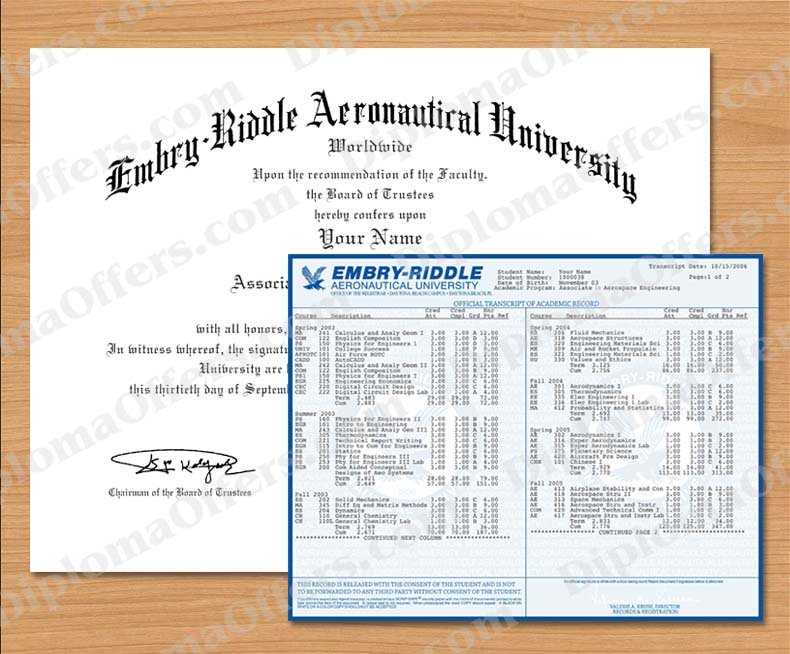
Store a diploma flat, dark, dry and cool: an acid-free folder or archival sleeve, in a closet on an interior wall, at roughly 18–21°C and 40–50% relative humidity. Never fold it, never store it in an attic, basement or garage, and never let plastic wrap touch the paper for years at a time.
That is the short version. The rest of this page covers the materials, the conditions, and the specific mistakes that damage documents that were otherwise fine.
The four conditions that matter
| Factor | Target | Why |
|---|---|---|
| Light | Dark, or UV-filtering glass if displayed | Light fades ink and yellows paper. UV is the main cause of both. |
| Humidity | 40–50% RH, stable | Above 60% invites mould; below 30% makes paper brittle. |
| Temperature | 18–21°C, stable | Heat accelerates acid hydrolysis; swings cause cockling. |
| Pressure | Flat, nothing heavy on top | Folds and creases are permanent; embossed seals flatten. |
Stability matters as much as the numbers. A document that cycles between a damp basement and a dry heated room will deteriorate faster than one kept slightly outside the ideal range but consistently.
Materials: what to use and what to avoid
Use:
- Acid-free folders (buffered, pH 8–9.5) for paper documents
- Polyester (Mylar/PET) sleeves if you want to see the document — inert, no plasticiser
- Archival boxes made of lignin-free board, if you are storing several documents
Avoid:
- PVC sleeves and cling film — plasticiser migrates into paper and cannot be removed
- Corrugated cardboard — lignin and acidity migrate over years
- Rubber bands, paperclips, staples — they crease, rust and leave impressions
- Newspaper — the printing ink is acidic and transfers
- Self-adhesive photo albums — the adhesive yellows and bonds permanently
Where to store it
The best place in most homes is a closet on an interior wall: stable temperature, no daylight, low traffic. The worst places are consistent across homes too:
- Attic — the hottest, driest and most variable space in the house
- Basement or garage — damp, and often the first place to flood
- Above a radiator or on a sunny shelf — heat and light together
- Cardboard box on a concrete floor — concrete wicks moisture into the board
Flat, rolled or folded?
Flat is the answer for anything long-term. Paper has a memory: a fold left for a year becomes a permanent crease, and a document stored rolled for years will not lie flat again without humidification and pressing.
Rolling is a shipping method, not a storage method. If a document arrives rolled, take it out, lay it flat between two clean boards, and put something light on top for a day or two before storing it flat.
Folding is worse than rolling, and folding across a seal or signature is worse still — the fold runs through the raised paper and often cracks it.
Storage or display?
These are different problems and the answer is different for each:
| Goal | Right approach |
|---|---|
| Keep it safe, out of sight | Acid-free folder or diploma cover, stored flat |
| Show it on a wall | Frame with a mat and UV-filtering glass |
| Both | Frame the original behind UV glass; keep a scan and a print for handling |
Displaying a document is not inherently risky — displaying it badly is. The two mistakes are direct sunlight and adhesive mounting. A frame with a mat (no tape, no dry mount, no glue) and UV glass is a reasonable long-term home for a diploma you want to see.
What not to do with a document you plan to display is laminate it — that is permanent and irreversible, and it flattens the seal.
Digitise it as well
Whatever you do physically, scan the document once, properly:
- 300 dpi minimum for a full-page scan; 600 dpi if you want to reproduce the seal detail
- TIFF or high-quality JPEG, not a phone photo
- Two copies in two places — a cloud drive and a local disk
The scan is what you use for forms, applications and replacements. It also means you never have to handle the original for routine requests. If you need a printed copy to frame or handle, see how to print a diploma at home.
Common questions
Can I store a diploma in its tube?
Short term, yes. Long term, no — paper takes a set and will stay curled. Take it out and store it flat.
Should I store it in the frame?
That is fine if the frame has a mat and UV glass and hangs out of direct sun. A frame is a display environment, not an archival one, but a good frame is not harmful.
Is a safe or safety deposit box good?
For fire and theft, yes. For humidity, check it — some boxes and bank vaults run damp. Put the document in an archival folder inside the box, not loose.
What if it already has mould?
Do not wipe it with water or household cleaners. Isolate it in a dry space, and consult a paper conservator if the document matters. Mould spores spread to everything stored nearby.
Does the size of the document change how I store it?
Only in the folder you buy. Letter and A4 differ by about a quarter inch, which is why an A4 document in a letter-size folder ends up with a creased corner. Measure first — the frame size calculator also reports the format.
Everything sold on this site is a novelty reproduction for display, keepsake and prop use. It is not an official record and cannot be used to verify a qualification.
If you are storing the document rather than framing it, the cover size has to match the document size — see diploma cover sizes.