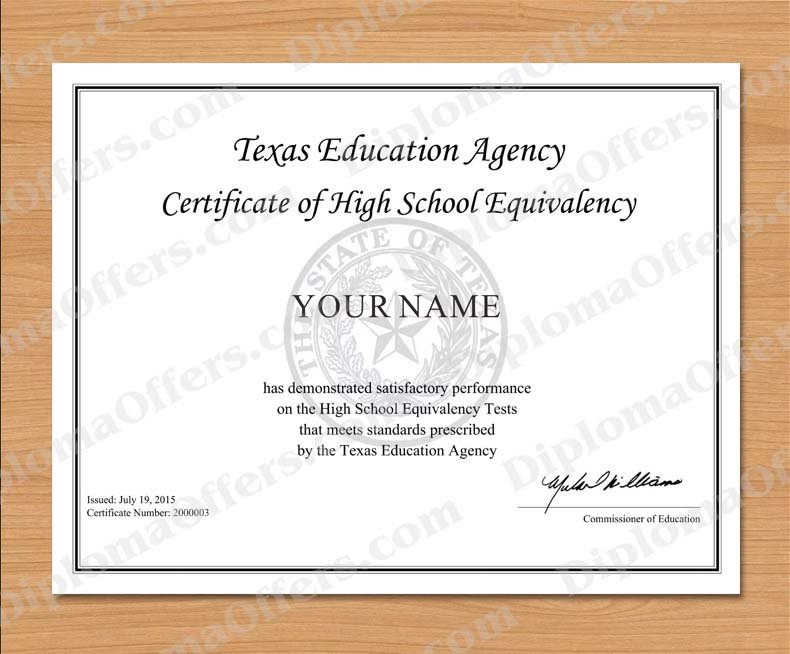
You can laminate a copy. You should not laminate the original — the process is permanent, it cannot be undone, and it reduces the document to a piece of plastic that most institutions and appraisers will treat as damaged.
That is the short answer. The rest of this page explains why, and what to do instead if the goal is to protect a diploma while still displaying it.
What lamination actually does
Lamination seals the document between two sheets of plastic using heat, pressure, or adhesive — sometimes all three. Once cooled, the plastic bonds to the paper. There is no clean way to separate them:
- Heat laminating melts an adhesive layer into the paper fibres. Peeling it off takes the printed surface with it.
- Cold laminating uses pressure-sensitive adhesive. It releases slowly over years and leaves residue that cannot be removed without solvents.
- Pouch laminating is the home version, and the worst offender: the plastic shrinks and expands at a different rate than paper, so the document cockles inside the pouch over time.
Paper also needs to breathe. Sealing it in plastic traps whatever moisture was in the sheet, which is how you get foxing, mildew and ink migration a decade later.
Why it matters beyond the physical damage
- Verification. Registrars, licensing bodies and some employers will not accept a laminated document, because lamination is a common way to disguise alterations.
- Notarisation. Many notaries refuse to certify a laminated document, since they cannot inspect the paper or the seal.
- Value. A laminated diploma has essentially no collectible or resale value, even if the original was signed and sealed.
- Reversibility. Conservators can reverse almost anything else — tape, folds, stains. They cannot reverse lamination without accepting loss of the surface layer.
What to do instead
If the goal is protection, these do the same job without the downside:
| Goal | Better option | Reversible? |
|---|---|---|
| Protect from handling | Archival sleeve or polyester pocket | Yes |
| Display on a wall | Frame with mat and UV-filtering glass | Yes |
| Store flat | Acid-free folder in a diploma cover | Yes |
| Keep a handling copy | Scan, then print a copy — laminate that | Yes |
Framing is the usual answer for a diploma you want to see. The document sits behind glass, held by a mat rather than adhesive, with no plastic in contact with the paper. Mat widths that work for each document size are covered in diploma frame sizes, and if you already have the document in hand, the frame size calculator will give you the opening and mat sizes for your measurements.
If it is going into storage instead, a diploma cover keeps it flat and out of light, which is most of what archival storage is.
Is laminating a copy ever acceptable?
Yes, and it is common in schools and offices: print a copy, laminate the copy, keep the original filed. The copy can go on a noticeboard, be handled by students, or travel in a folder. That is exactly the use case lamination was designed for.
The rule is simple: laminate the print, not the original.
Can you remove lamination?
Not safely. Conservators sometimes lift cold lamination with solvents and heat, but it is slow, expensive, and almost always leaves visible damage. Home methods — hairdryer, iron, freezing, solvent — reliably make it worse.
If a document is already laminated, the practical answer is to leave it alone and frame it as it is, with a mat that covers the plastic edge.
What about sealed and embossed diplomas?
This is the case where lamination does the most damage. An embossed seal is a physical feature — raised paper, sometimes with a foil or wafer. Laminating flattens it permanently and traps air around it, which is where the plastic tends to bubble and delaminate first.
If the diploma has a seal you care about preserving, do not laminate it under any circumstances.
Common questions
Is it illegal to laminate a diploma?
No. It is a bad idea, not an offence. The document is your property.
Will a laminated diploma be accepted by an employer?
Often yes for a job application, but not always for verification, licensing or notarisation. Ask before you laminate.
Does lamination protect against water?
It stops spills reaching the paper, but it also traps existing moisture. For long-term storage, an archival sleeve plus a dry, dark place works better.
Can I laminate a novelty diploma?
You can — it is a display item and there is no record to lose. But a frame generally looks better, and lamination flattens the seal and the paper texture that make it read as a document.
What is the best way to display a diploma without framing it?
A cover or portfolio on a shelf, or a rigid display folder. Both keep it flat and out of light without putting plastic against the paper.
Everything sold on this site is a novelty reproduction for display, keepsake and prop use. It is not an official record and cannot be used to verify a qualification.
If the alternative you are considering is storage rather than display, the conditions that actually preserve paper are covered in how to store a diploma.